Saika Shuhada and Akifa Monjur:
University campuses in Bangladesh sit at a unique intersection of nature and development, shaped by the realities of a climate-vulnerable country. As these campuses grow with new structures and modern facilities, the landscape changes alongside them, and nature quietly adapts to development. Campus journalism becomes a lens for understanding local environmental and developmental change. For campus journalists, such transitions are more than something to watch but to write, report or make a difference.
Practicing environmental journalism on campus, young campus journalists are expected to flourish their investigative storytelling skills while explaining how environmental and climate issues shape university life which helps students connect local campus realities with wider ecological challenges. In most universities, journalism is voluntarily practiced by documenting and analyzing information even though most of the practitioners are not formally trained in journalism.
However, is there room to question sustainability?
The question is no longer whether environmental stories exist on our campuses, but whether student journalists have the space and support to tell them.
For understanding the present scenario these issues are raised-
Why awareness stops at description?
Campus Press Clubs or Campus Journalists’ Associations in universities are responsible for circulating news predominantly to the national newspapers and portals. People are informed about environmental activities done by administration through these reports. This news is largely descriptive and celebratory but usually lacks ecological context, comparative and constructive discussions about the impact and expert opinions. It tells us what happened, but not why it truly matters. Students face challenges like limited environmental knowledge, lack of expert input and time, and tendency to prioritize visibility over analysis. The factors discourage freshman campus journalists to kickstart environmental reporting.
When nature speaks, who listens?
Have we ever wondered whether our campuses quietly shelter rare plants, migratory birds, or fragile ecosystems that depend on these green spaces? It explains how these systems function, how human activities affect them and how people could make things better. Lack of access to experts and reliable data, and difficulty translating complex issues into engaging stories is common. Moreover, journalists struggle with time constraints, lack of mentorship, and limited training in scientific writing.
Is asking hard questions actually hard?
Investigative environmental journalism is not just about asking questions; it is about digging deep.
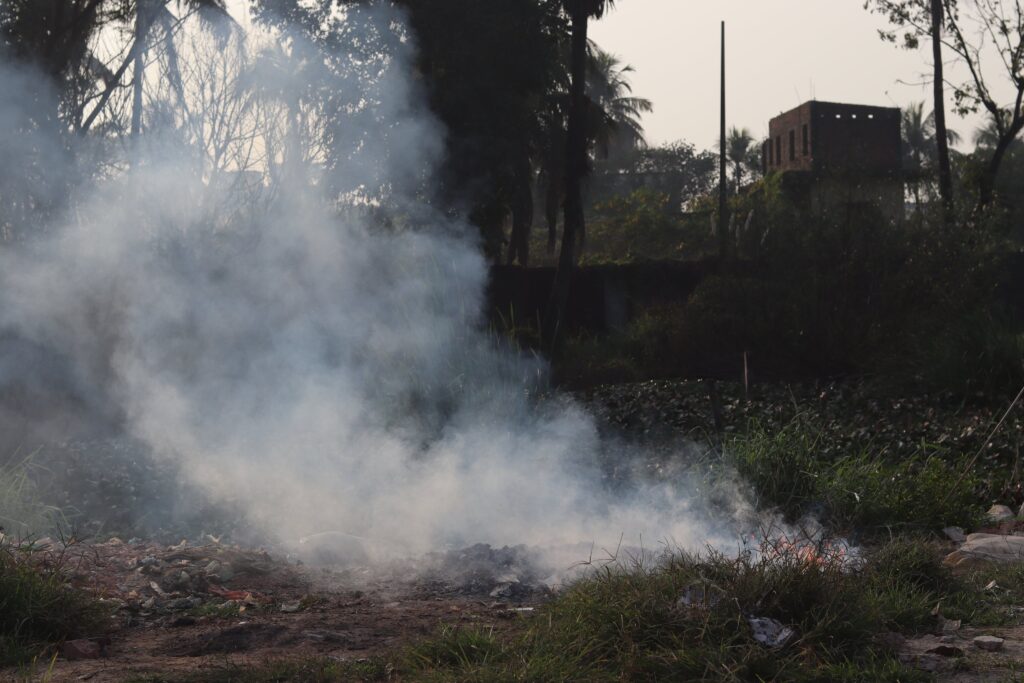
It involves analyzing the environmental data, uncovering hidden impacts, and holding people accountable through evidence, like using public feedback and survey results. It goes beyond surface reporting on issues such as pollution sources, messed-up waste management, loss of biodiversity or the environmental consequences of campus development.
Are we walking the talk?
This is how existing solutions are evaluated by holding institutions responsible. Accountability journalism reflects the critical aspects of policies, decisions, and institutional responsibilities such as sustainability commitments, waste management policies related to environmental governance.
Between Journalism and Activism
Campus journalism places campus journalists at the heart of real and immediate issues. Journalists working on environmental issues say credibility depends on covering all perspectives, not avoiding difficult stories.
Laura Rocha is the President of Periodistas por el Planeta, says journalists can be falsely accused of activism simply for covering the story. She argues that covering controversial environmental stories does not make a journalist an activist, but they have to make sure they cover all perspectives in order to tell the full story.
Patrick Greenfield, biodiversity and environment reporter with the Guardian, highlights that journalistic credibility depends on understanding and explaining all perspectives on environmental issues. He notes that journalists must also explore why environmentally damaging practices, such as fossil fuel use, continue despite their impact.
How Environmental Journalism Works?
Indeed, environmental journalism faces a rather complicated task of covering an intersection of scientific issues and policies and informing the public about environmental matters.
It becomes necessary not only to provide factual information to the readers but also to do it in a clear and responsible way. Reporting demands the ability to make complex issues understandable for a general audience.
Moreover, a journalist should maintain impartiality and transparency in order not to cross the line between covering environmental topics and taking part in environmental movement actively.
According to Leo Hickman, editor of Carbon Brief, journalists should prioritise transparency and avoid “false balance,” while clearly showing how evidence is gathered and distinguishing between news and opinion.
Sven Egenter of CLEW speaks of the need to break down complicated stories and engage with multiple experts and stakeholders to explain how environmental systems and decisions actually work. Laura Rocha of Periodistas por el Planeta stresses the value of collaboration with scientists and specialist journalists, noting that translating scientific and climate-related issues for audiences can often be challenging.
Which solution works?
Asking such questions, the campus journalists get a chance to look into possible solutions and determine what could work in reality. They will be able to analyze the existing solutions to challenges by featuring success stories about environmental solutions implemented in different universities. Solution journalism can shape the perception of local communities and raise awareness. In Bangladesh, however, journalists often struggle with this approach due to little training in evaluating outcomes. Yet prospects are bright due to their curiosity, intuition, and insight.